
EVA pellet preparation
Compound and colour preparation should be matched to the approved material specification.
Our Dongjun facilities cover material preparation, rubber, MD, EVA injection, supercritical foaming, surface finishing and bonding. We define the appropriate route for each project.
These are workshop categories published by Dongjun. A product brief determines which line, tooling, material and quality plan are actually applicable.
Compound and colour preparation should be matched to the approved material specification.
Rubber design and compounding support outsole geometry and ground-contact requirements.
Primary and secondary MD routes support different EVA sole forms and finishing sequences.
Injection is one potential route for integrated EVA sole units, subject to product feasibility.
The premium route introduced in 2021 requires a defined polymer, geometry and evaluation plan.
Colour, surface treatment and visual details are reviewed against approved references.
Adhesion, component fit and assembled sole integrity are evaluated with the actual construction.
Original Dongjun images show distinct workspaces rather than generated factory scenes.
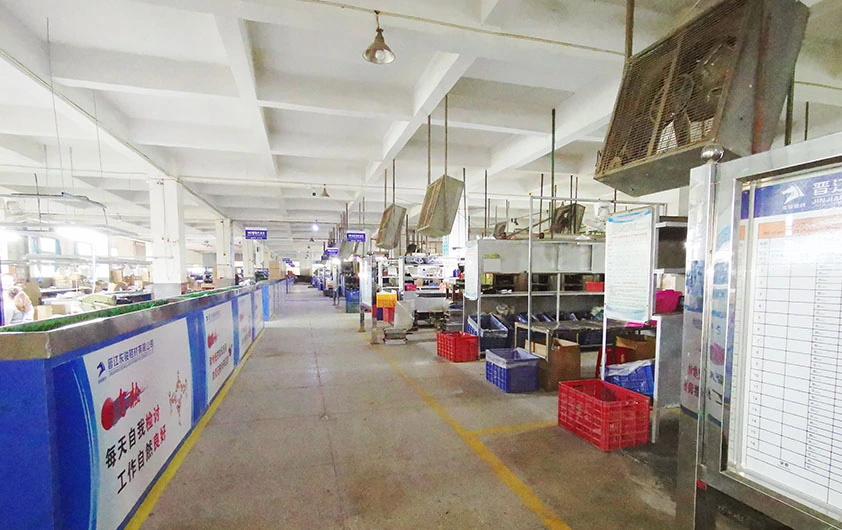
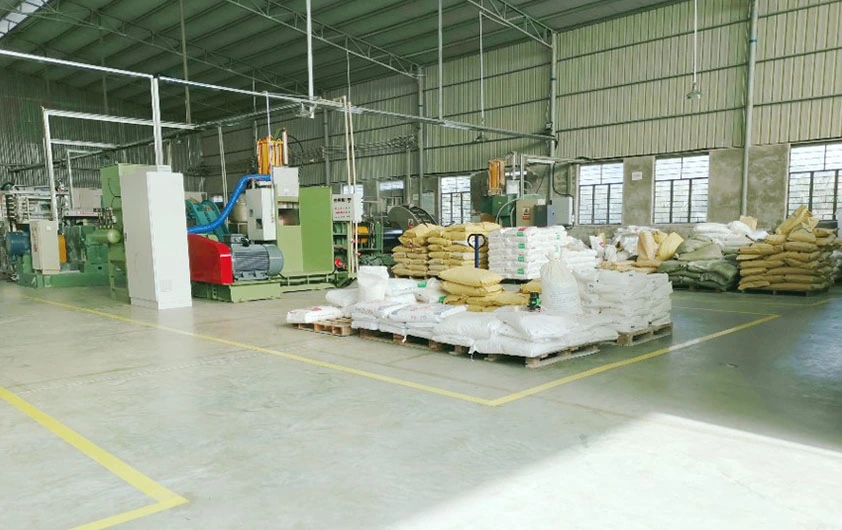
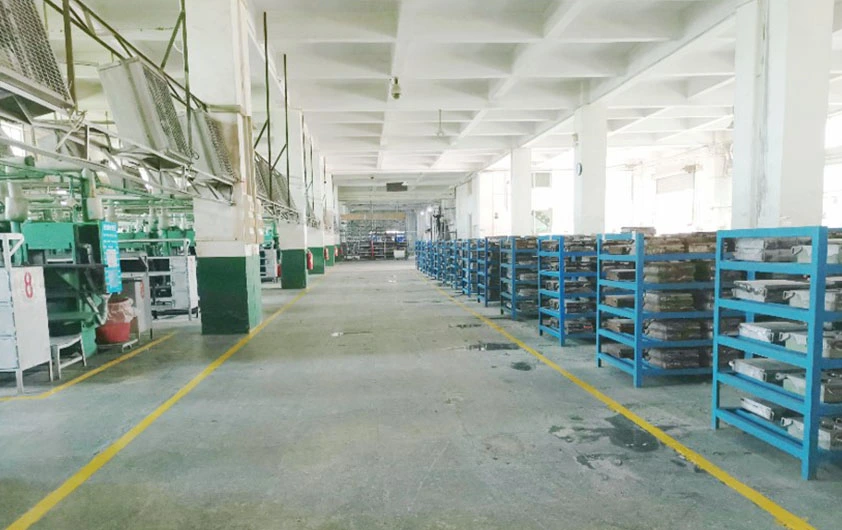
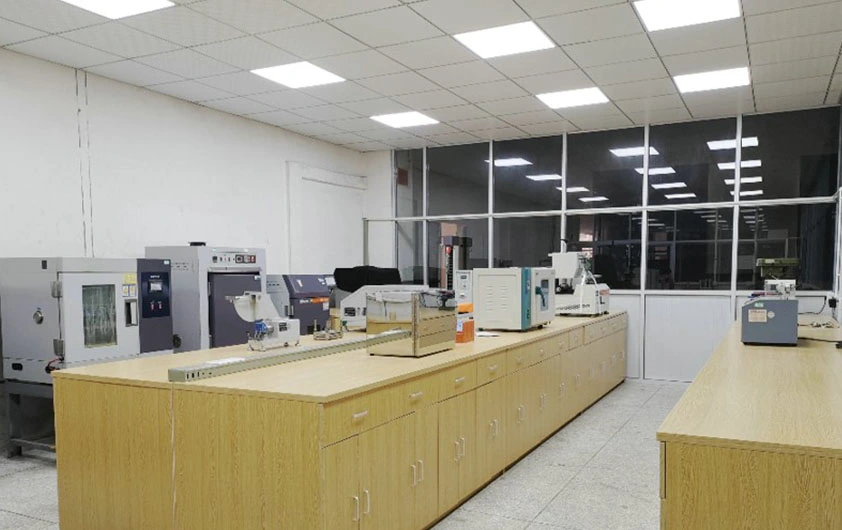
Our published reporting describes supplier-document and pre-production checks, in-process sampling, and a final pre-shipment check. For each project, the methods, sample sizes and acceptance limits must be agreed in writing.
Identify incoming material and compare supporting reports with the approved requirement. Confirm the reference sample and drawing revision.
Review dimensions, appearance and relevant physical properties on a defined sampling plan. Record deviations and corrective decisions.
Check the finished product and its traceable specification, including any agreed third-party or customer inspection.
Source: Dongjun interview on quality control and company history. This describes Dongjun’s published routine; project-specific evidence is supplied separately.
Customer-specific tooling is discussed under a defined project agreement. Archive photos do not imply a mould is available for public use.
Bring an application, a reference or an open question. Let’s turn it into a useful development brief.