
Clarity Before Commitment
Identify the intended use, reference size, target cost and sample objectives before discussing a manufacturing route. A clear starting brief helps everyone evaluate the same proposal.
Easteed is Dongjun’s international-facing website. Explore our Jinjiang history, production facilities and approach to custom sole development.
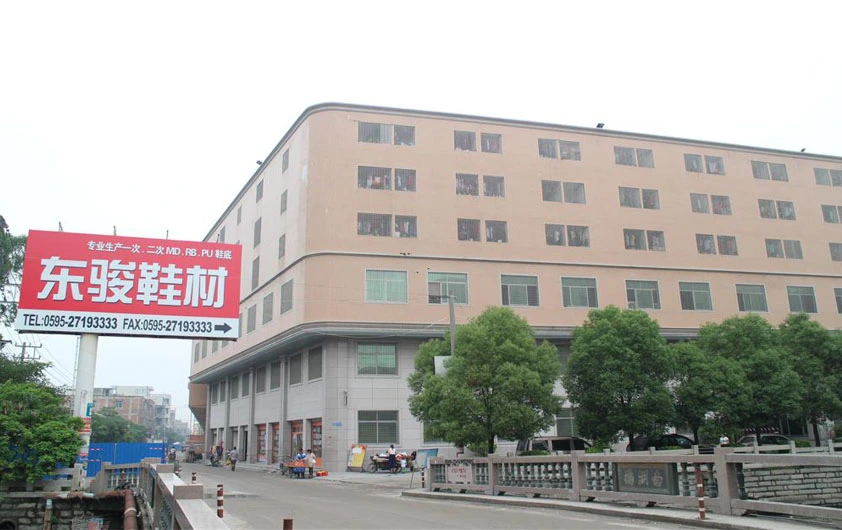
Easteed is Dongjun’s international-facing website for footwear sole development. We bring overseas brands into a direct conversation with our Jinjiang manufacturing team, from the first product brief through sampling, tooling and production planning.
Dongjun describes a footwear-sole business founded in 2003 in Chendai, Jinjiang. Its published development has grown from TPR into rubber, MD, EVA injection, material preparation, bonding and supercritical production. These are Dongjun capabilities. The actual production route, equipment, test evidence and commercial terms are confirmed for each project.
Read the original Dongjun company profile ↗A condensed timeline from Dongjun’s published company profile. These milestones describe Dongjun’s manufacturing development; Easteed is its international website.
Dongjun, then Taichang, began in Chendai with TPR sole manufacturing and pellet preparation.
PU and spray operations were added, followed by a dedicated rubber outsole workshop.
Dongjun expanded secondary MD, EVA injection and EVA pellet preparation, alongside an ERP management system.
The company records an expanded inspection room and laboratory for sole-related physical-property checks.
A supercritical foaming production line was introduced as Dongjun expanded its premium sole offering.
Dongjun’s principles centre on quality, people and reputation. On our international website, we translate those values into a clear project routine: define the brief, document decisions, and review the outcome together.
Identify the intended use, reference size, target cost and sample objectives before discussing a manufacturing route. A clear starting brief helps everyone evaluate the same proposal.
Product developers, sourcing teams and factory specialists bring different information to a project. We organise questions and feedback so the next decision has the context it needs.
Define material identity, measurement methods and sample revisions together. Product claims should be supported by evidence from the relevant material or assembled construction.
Use each sample round to resolve an agreed question about geometry, construction, appearance or use. Record the outcome before requesting another revision.
Document project scope, tooling permissions, approval responsibilities and commercial terms before work proceeds. Keep customer-private designs and moulds under agreed access rules.
Original photographs from Dongjun’s published company site, showing our campus, workshops, sample rooms and testing centre.
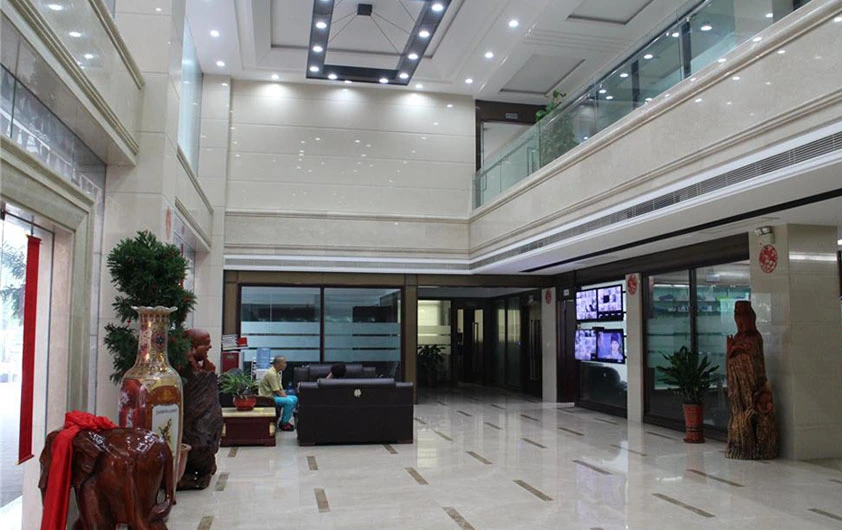
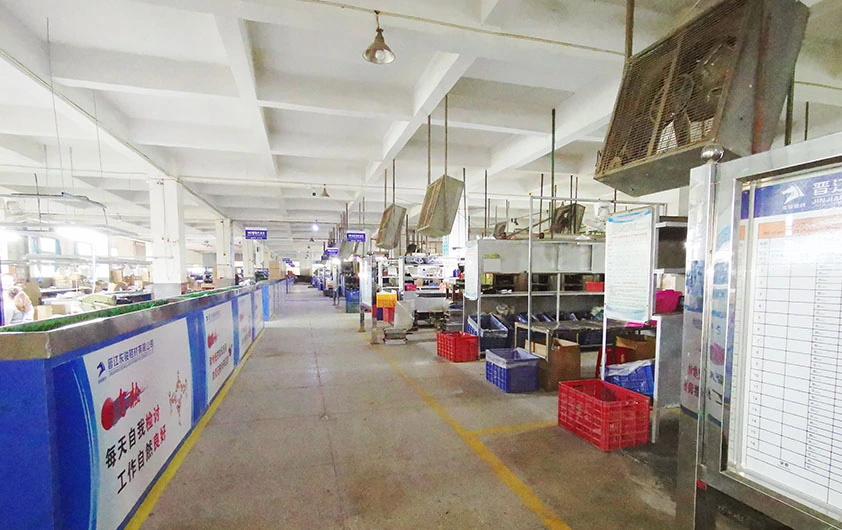
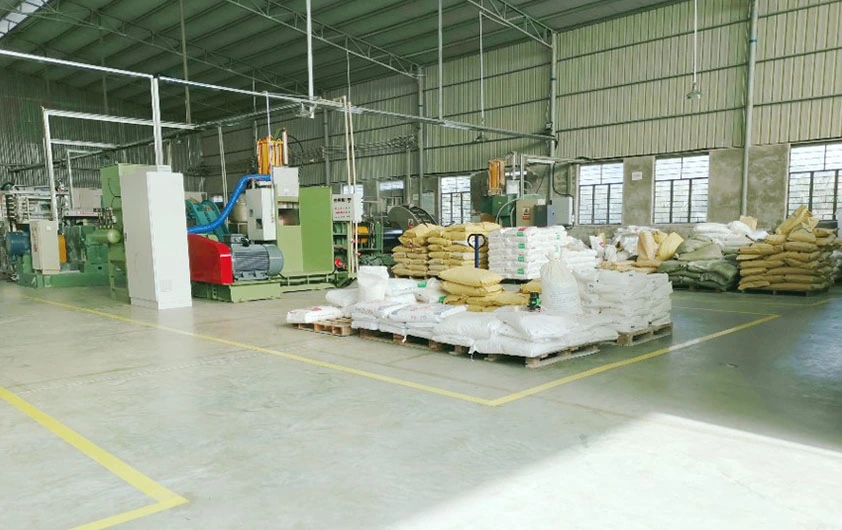
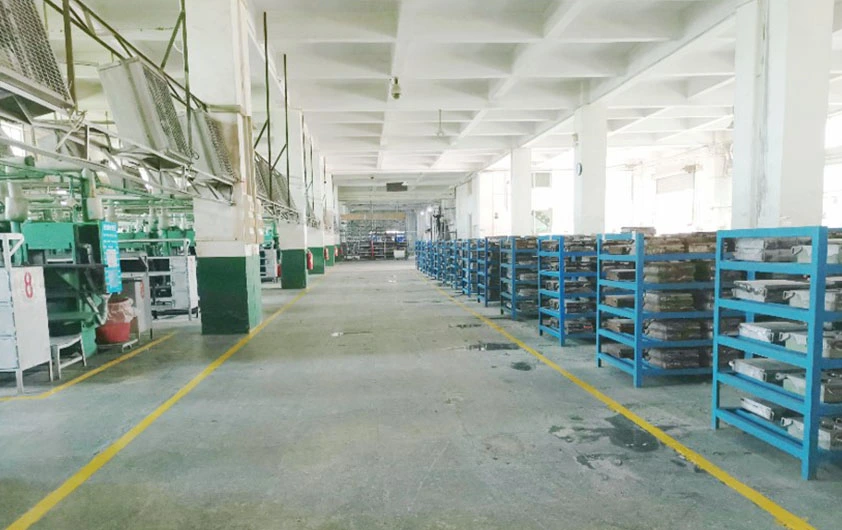
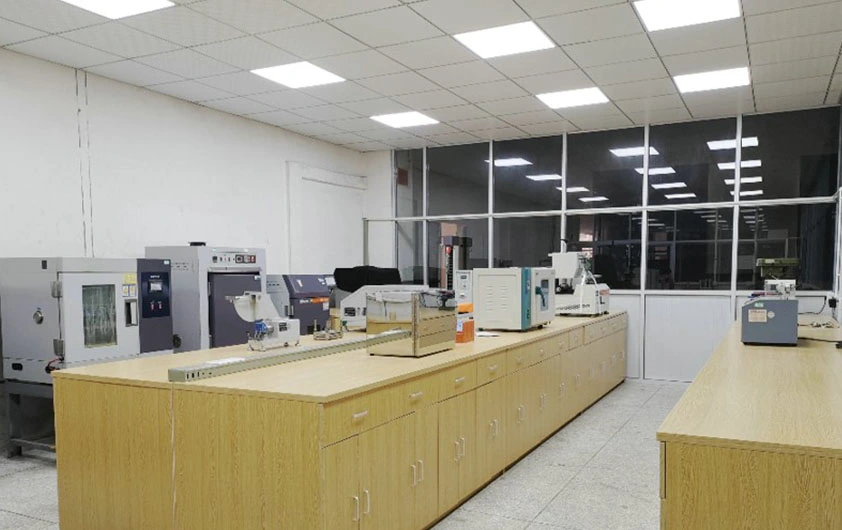
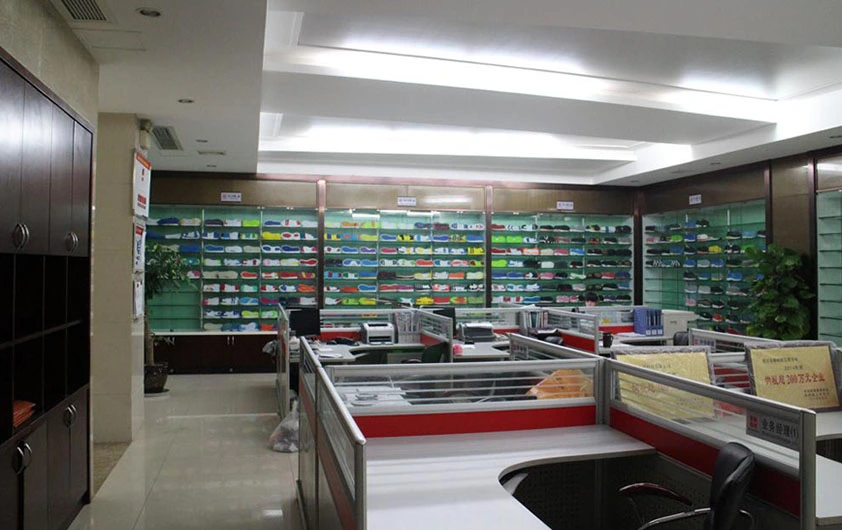
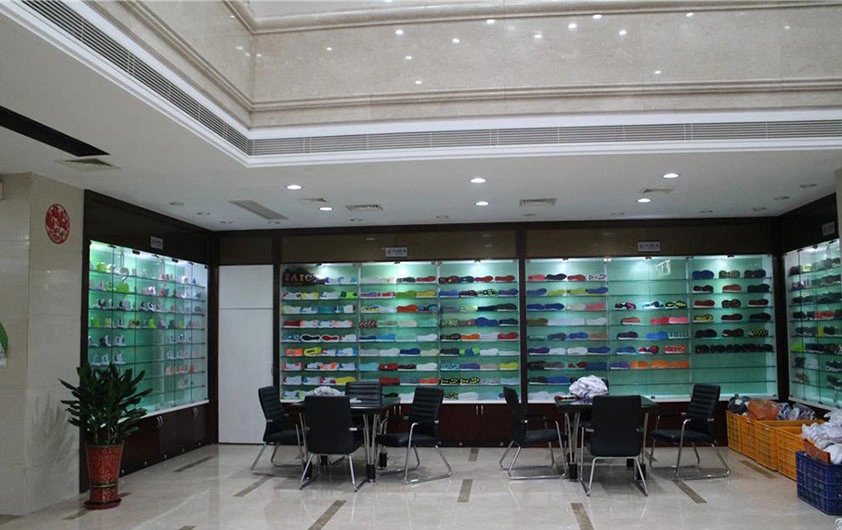
Photograph source: Dongjun company profile. Published images show Dongjun facilities; the production arrangement and inspection plan for each order are confirmed with the project team.
We can coordinate a customer-specific sole shape, material route, colour, outsole layout and branded details. Before drawings or tooling are shared, the project should identify design ownership, permitted use, approval gates and how confidential material will be exchanged.
Bring an application, a reference or an open question. Let’s turn it into a useful development brief.